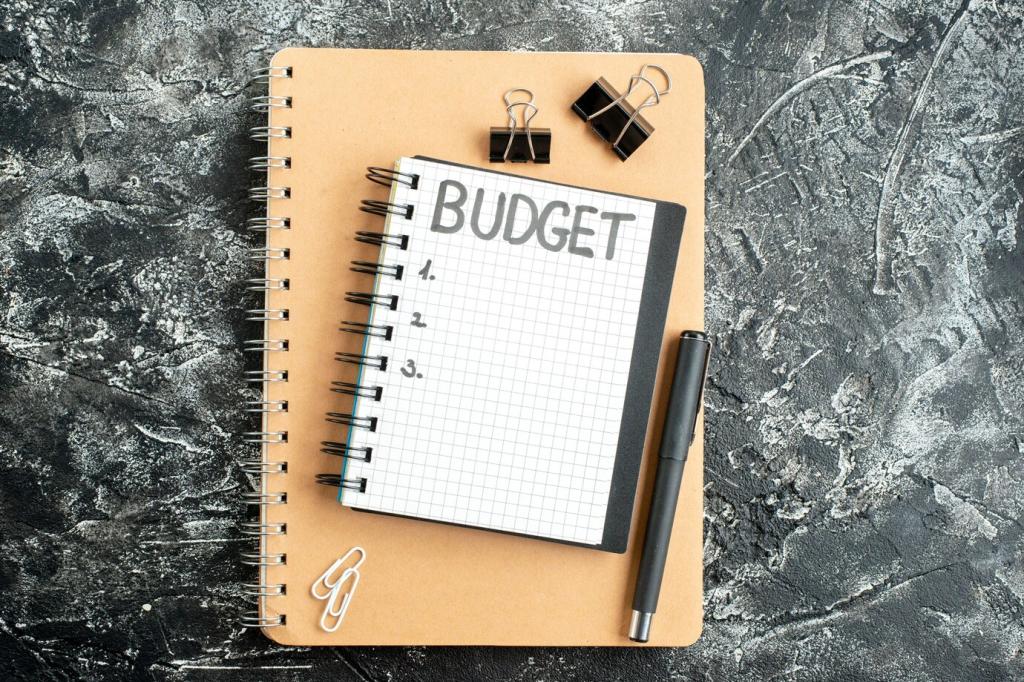
Choose between a pocket notebook, a spreadsheet, or a minimalist app, and commit for two weeks. Convenience wins. If your journal lives where you spend—your phone or wallet—you will capture more real-life spending moments without friction.
Clarify Your Why Before You Write a Single Dollar
Write two lines about why better spending matters to you now, not someday. A clear why turns recording into purpose, not punishment. Share your why in the comments to inspire others and build accountability from day one.
What to Record Every Day
01
Log the Context, Not Just the Amount
Record where you were, who you were with, and what you felt before buying. A $12 lunch on a hectic day tells a different story than a $12 lunch during a planned meet-up. Context transforms data into usable insight.
02
Tag by Category and Mood to Reveal Hidden Drivers
Add two tags per entry: category and mood, like groceries + rushed or transport + relaxed. Over a week, you will see mood-linked spending spikes. These tags help you plan supportive routines rather than purely restrictive budgets.
03
Note the Trigger and the Alternative You Skipped
Write the moment that nudged you—ad, boredom, celebration—and one realistic alternative you could choose next time. Even imagining a future option strengthens your decision muscle. Share your best alternative ideas to help our community learn.
Hold a Weekly Review Ritual You Look Forward To
Pick a cozy time, brew tea, and skim your week. Circle purchases that felt great and star ones that felt off. Ask what made the good ones easy and the tough ones happen. Adjust one tiny lever for the coming week.
Create Visual Cues and Simple Trendlines
Tally categories and draw a tiny bar chart in the margin, or let your app summarize. You are not chasing perfection—just direction. Visuals make progress tangible and celebrate reductions, substitutions, or smarter timing of recurring expenses.
Spot Frictionless Spend Zones and Add Gentle Speed Bumps
Identify places where money disappears: one-click checkouts, delivery apps, auto-renewals. Add a pause: remove saved cards, enable notifications, or set a 24-hour cooling period. Share your best speed bump so others can borrow it.
The $3 Coffee That Changed a Commute
Mara logged a daily station latte and added the tag bored. She tried packing a thermos and one playlist she loved. She still bought Friday’s latte as a treat. Her monthly coffee cost dropped by half, and her mornings felt brighter.
A Family Grocery Pivot That Cut Waste
Luis’s journal showed midweek top-up trips always included extras. He moved produce prep to Sunday, portioned snacks, and made a simple list rule: two extras max. Spending steadied, and wilted greens practically vanished. He shared his list template with friends.
From Retail Therapy to Walk Therapy
After tagging stressed on many evening purchases, Priya wrote an alternative: ten-minute walk before checkout. She kept the cart open, walked, and often returned with a calmer mind and fewer items. Comment if you have a calming pre-checkout ritual too.
Tools, Templates, and Prompts That Keep You Going
Paper lovers: index cards or a slim notebook fit any pocket. Digital folks: notes app with a checklist or a simple tracker. Hybrid users: snap receipts and summarize nightly. The best tool is the one you will actually open daily.
Text a friend one screenshot or photo of your journal each Sunday and one sentence about your best decision. Positive reinforcement works. Your friend’s wins will spark your creativity and keep both of you consistent without pressure.
Design Rewards That Do Not Undermine Your Goals
Pick rewards that add energy, not clutter: a library hold, a scenic picnic, an afternoon nap, fresh flowers, or time with a hobby. Tie rewards to effort, not just results, so you stay encouraged even during tighter weeks.
Recover Gracefully When You Miss a Day
No guilt audits. Write a quick summary of the missed day and carry on. Progress is cumulative, not fragile. If you lose momentum, restart with a single category focus for three days, then expand. Tell us your restart plan below.